
01 · Find the thread
A city with several timelines
Odisha Tourism describes Bhubaneswar through Hindu, Buddhist and Jain heritage, and a modern capital planned by Otto Königsberger. These layers invite different kinds of looking: a temple detail, a street plan, a landscape of remembrance.
Our suggestion: begin with one carved doorway, leave room for lunch, and explore our February 2009 photo archive as a reading companion. Its painted streets are memories, not a verified present-day mural route. Choose Dhauli as a separate chapter when your day allows.
02 · A few places to begin
Choose a few.
Leave room to linger.
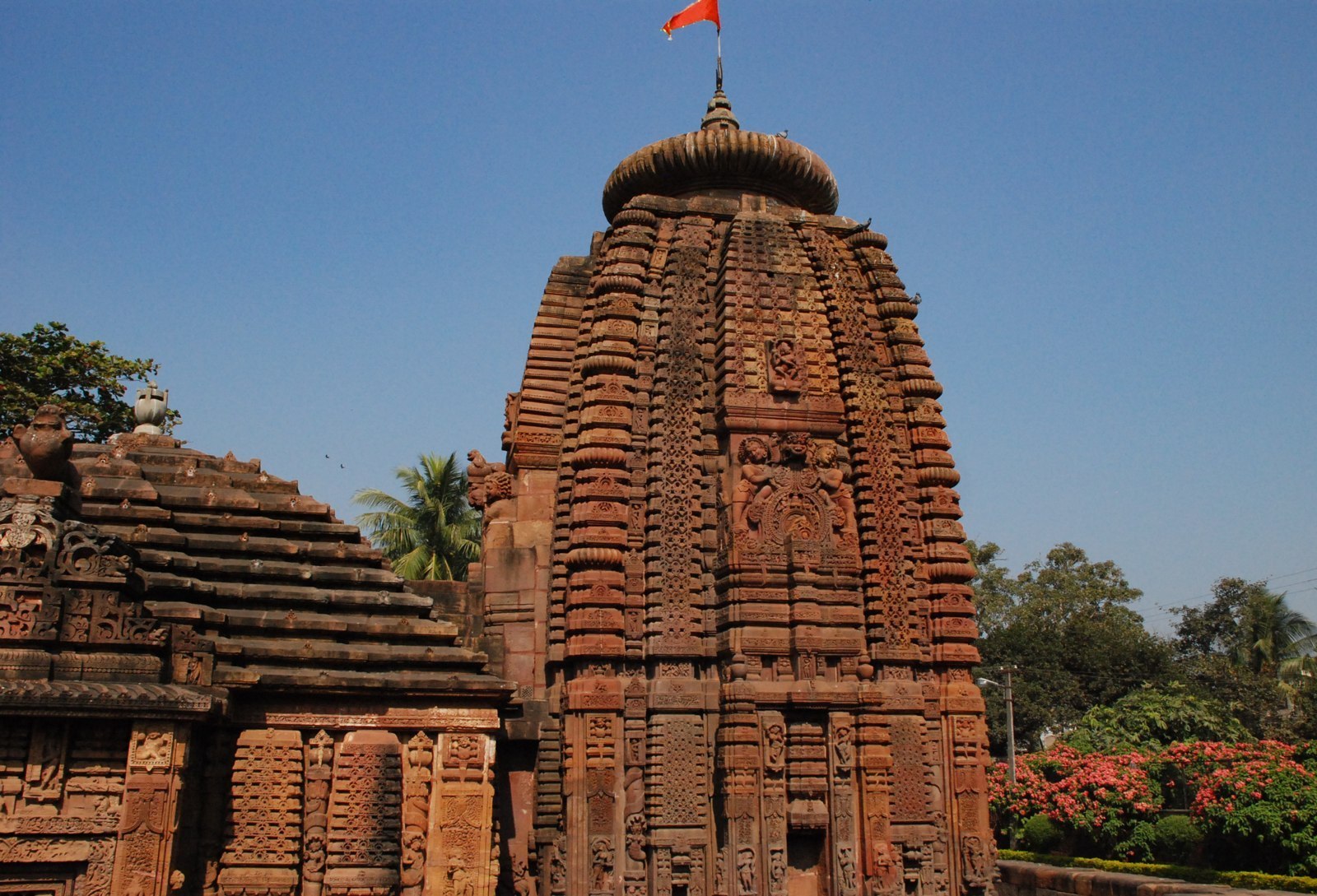
Look closely at Mukteswar, make time for an Odia meal and discover the city’s painted memories.
Place
Pause at Mukteswar
Mukteswar is one of the temple landmarks highlighted in the city’s official guide. Look closely before moving on.
Check entry and photography rules on arrival. Give worshippers room; a camera is a guest too.
Look closely at Mukteswar →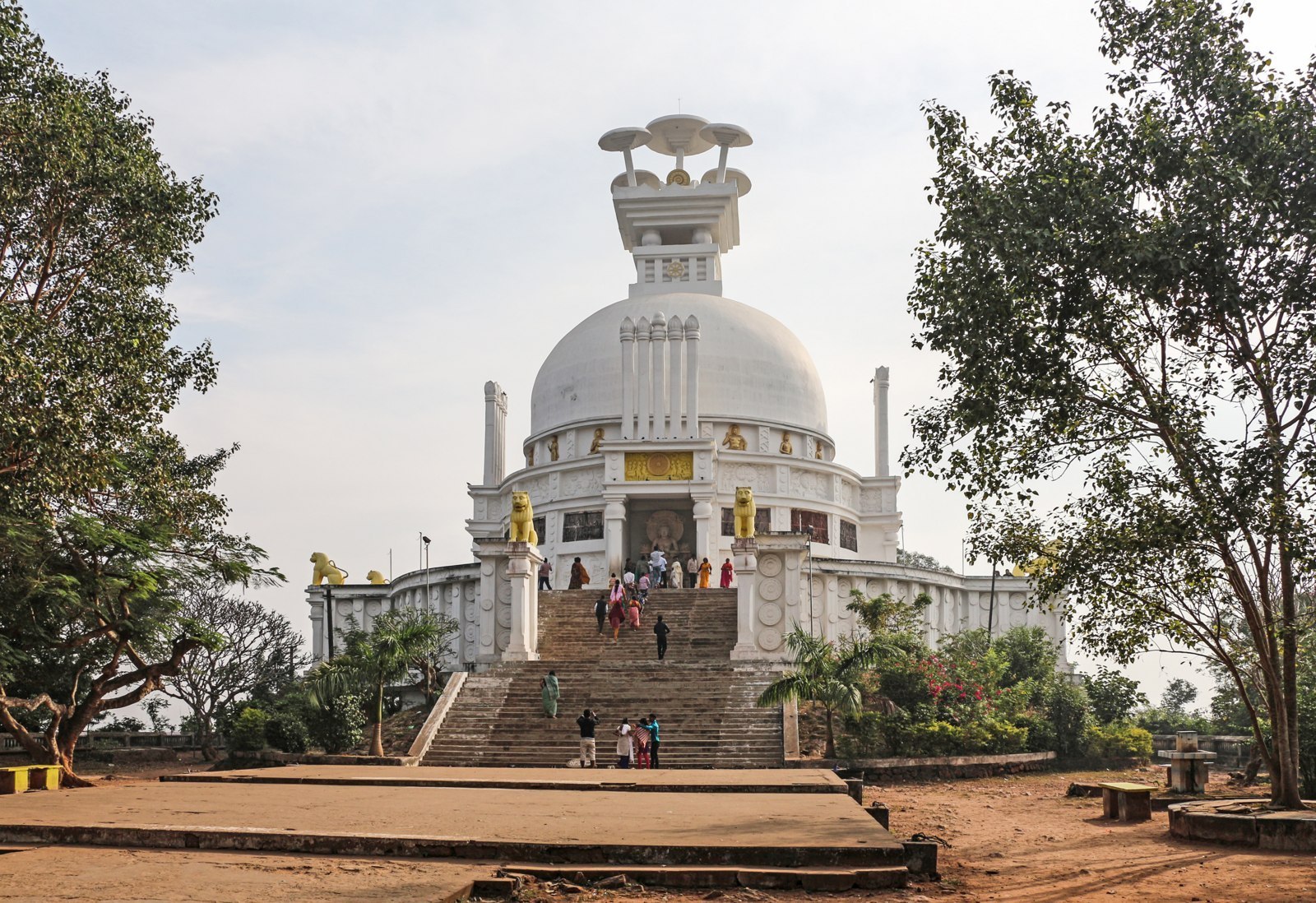
Place
Dhauli: a different kind of monument
The Peace Pagoda was built in 1972. It offers a modern place of remembrance beside an older historical landscape.
Read the distinction between the stupa, Ashokan evidence and local legend before you visit.
Read the Dhauli story →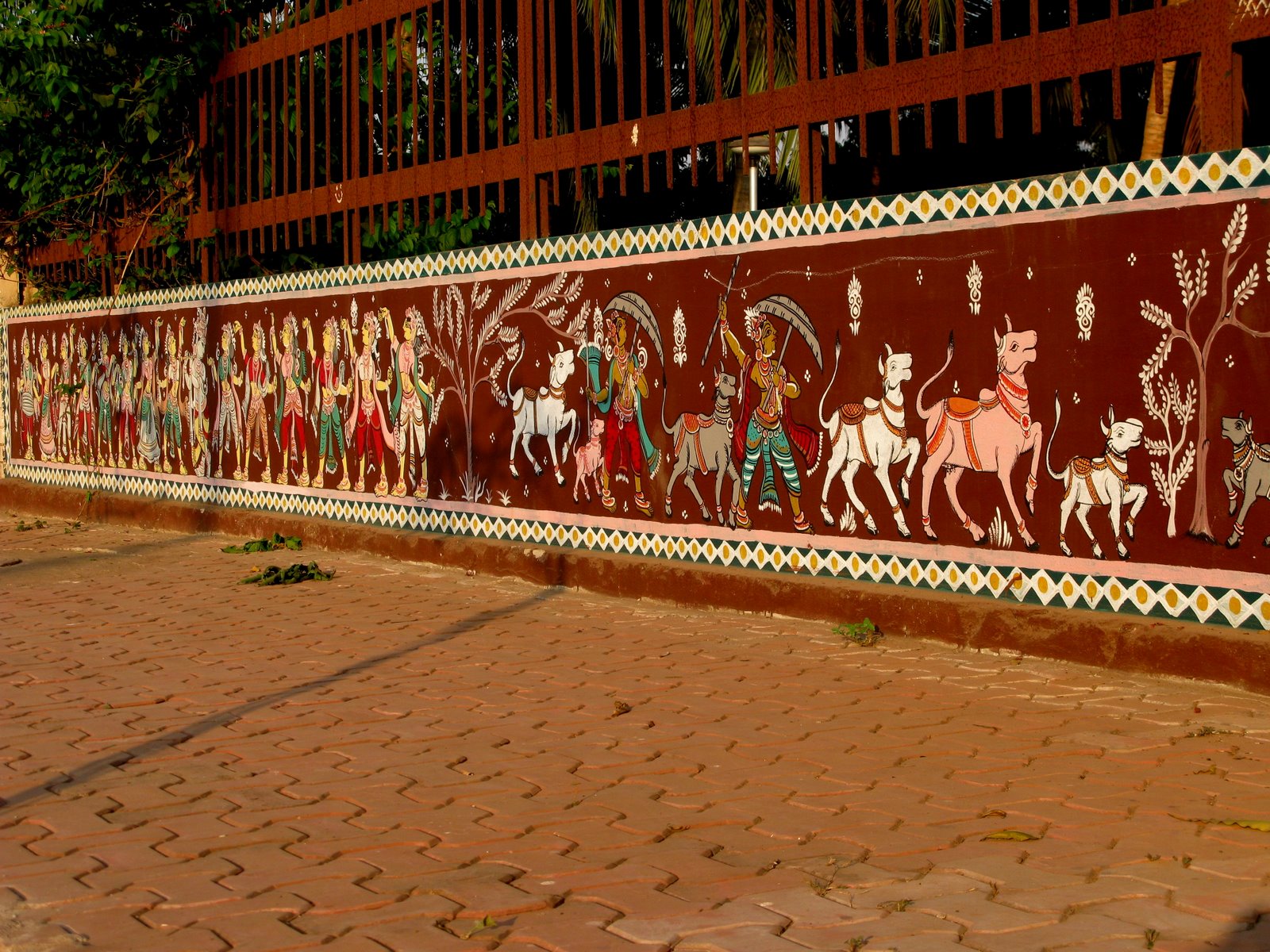
Experience
Follow the painted streets
Ahimanikya Satapathy’s photographs from February 2009 offer another view of the city: walls, colour and public imagination.
Treat this as a dated photo essay; we have not verified that each mural survives today.
Open the 2009 photo archive →03 · Make it yours
A meal. A meeting.
A little breathing room.
Save the ideas that fit your interests. Choose the pace and the arrangements yourself.
Food
Make room for dalma
Lentils and vegetables meet in dalma, a familiar part of Odisha’s food repertoire.
Ask what is in today’s preparation and pair it with the rest of a local meal. This is a dish suggestion, not a reviewed restaurant.
Make time for an Odia meal →Stay area
Choose a city base
Compare accommodation around the part of the city you want to explore with your arrival and departure needs.
Ask about street noise, lifts, bathroom access and last-mile transport. We have not inspected properties.
Compare city bases →04 · Before you go
Let the day breathe
Leave space between the places you choose. A meal, a conversation and the journey back belong in the day as much as the monument.
Choose the season
Odisha Tourism recommends November–March for Bhubaneswar and describes June–September as the rainy period. These are seasonal guides, not a forecast for your dates. In warmer weather, leave the middle of the day for a meal and a rest.
Give lunch its own place
Begin with dalma: lentils cooked with vegetables and spices. The tourism food guide also pairs it with pitha or vada. Ask what is being cooked that day, how it is served and which ingredients are used. Follow your appetite into the food stories, then choose a kitchen locally.
Arrange the return, too
The official Dhauli guide lists Bhubaneswar’s airport and railway station as arrival points and suggests a taxi or auto for the site. Agree the return pickup, waiting charge and exact stops before leaving. This is a transport starting point, not a live service or fare quote.
Meet a person, not a performance
Ask a willing guide what a carving means to them; agree a guiding fee before starting. Ask a cook what makes today’s meal different. Request permission before recording or photographing people, and accept a refusal. Confirm entry, worship and photography rules separately at each monument.
Ask about access before you commit
Step-free routes, toilets, shade, seating and named hosts have not been field-checked here. Describe your specific needs to the venue or operator, including the route from drop-off to the entrance. Choose a different stop if the arrangements do not work for you.
Listen to the place
Languages you’ll encounter
Begin by asking your host which language they prefer. The language of a home, a song or a workplace need not be the same.
Bhubaneswar sits within Khordha district. The figures cover the whole 2011 district, not just the city. Explore the recorded mother tongues as historical background; the 2011 counts do not establish what a particular person speaks today.
Explore Khordha’s language profile →Season to consider
The tourism guide suggests November–March for Bhubaneswar. Check the actual forecast.
Build around
One heritage area at a time, with a meal and a rest between stops. Our planning suggestion.
Look for
Hindu, Buddhist and Jain heritage alongside a modern capital.
Make it your visit
A city, one detail at a time
A few prompts for your own encounter.
Choose one carved detail to look at before reaching for the camera. Let a small discovery become your way into the city.
Before you go
Odisha Tourism places the city’s temple heritage in the old town, Ekamra Kshetra. Begin with one chosen site rather than treating the city as a single attraction. Confirm that site’s entry rules and the return pickup point; ask about steps, shade and toilets before adding another stop.
Begin with one stone detail
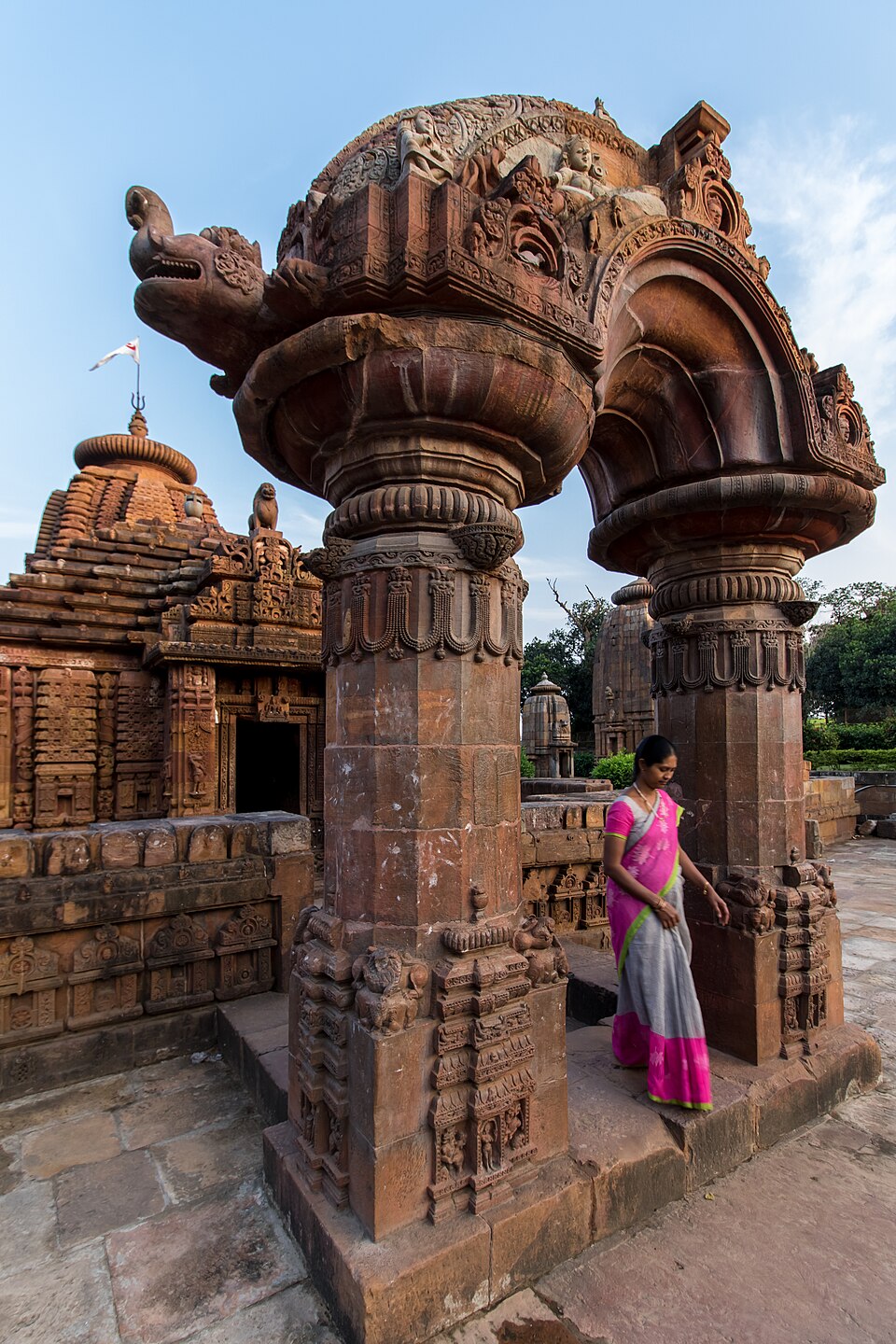
Make Mukteswar a close-looking stop: choose a carved figure or the entrance arch, then ask a guide what is observed and what is interpretation. The city visitor page connects this setting with Odissi performances. A daytime temple visit and a festival evening need separate plans.
Let the city keep its different rhythms
Choose the old town as one part of your day. Leave room for a meal, a seated break and the journey back before adding Dhauli. Confirm each site’s entry eligibility, approach, footwear or belongings rules and actual opening arrangements separately.
A performance needs a dated programme
Mukteswar’s association with Odissi makes a promising cultural connection. Check the organiser’s programme for the year you travel, including venue, timing and entry; a recurring festival description is not a reservation or a promise that an event will run.
Where to ask
For help planning a city visit, look for the Bhubaneswar office in Odisha Tourism’s tourist-office directory. Ask who can confirm access at your chosen site. Odisha Tourism · tourist offices →
People, connections & a memory to keep
Connect with care
Ask a guide which detail they would show someone visiting for the first time. Keep their interpretation distinct from what you can verify.
Leave room for
Leave room for Dhauli as a separate choice, after checking the journey between them. A reading connection is not a tested route.
Read Dhauli →Bring home a memory
Write down one detail you nearly walked past. Your city story can begin there.
Six questions to take with you
Ask the people arranging your visit. These prompts help you prepare; they do not confirm local arrangements.
- Access
- Which parts of the places I want to see can I enter, and who can confirm the current visitor arrangements?
- Getting there and back
- Where will I begin and finish my city day, and how will I get back to my base?
- Comfort and pace
- Where can I take a seated break, and which stretches suit the people travelling with me?
- Food and water
- Which meal would I like to make time for, and who can answer my questions about ingredients?
- People and pictures
- Before I photograph a person or a lived-in street, have I asked whether they are comfortable with it?
- A change of plan
- If a stop is closed or the day feels too full, which one story would I most like to keep?
Save this idea, then add any useful question to your private reminders in My journey.
Add your own day notes in My journey.
City, craft and coast · Chapter 1 of 5
Follow the story.
Next, Dhauli.
From a city of many timelines, turn to a hill where remembrance takes a different shape.
Five connected stories. Read in this order or begin wherever your curiosity takes you. Arrange travel and timings separately.
More connections to explore
Photograph credit
Dhauli photograph · Bernard Gagnon · CC BY-SA 3.0. Resized and JPEG-compressed for the website. Responsive display may crop the view. Adaptations retain the stated share-alike licence.

Sources, image credits & editorial notes
Research and original editorial framing for Utkal Project, founded by Ahimanikya Satapathy. Suggestions are editorial ideas; visits, hosts and accommodation have not been field-checked for this preview.
- Odisha Tourism · Bhubaneswar
Indexed official overview inspected. Historical layers and listed attractions only; no current festival dates inferred. Checked 30 September 2026 UTC. Rechecked 30 September 2026 for this visitor candidate; no field inspection, live timetable, fare or current opening confirmation.
- Odisha Tourism · Weather and climate
Full relevant climate section inspected. Seasonal guidance for Bhubaneswar, not a daily forecast. Checked 30 September 2026 UTC. Rechecked 30 September 2026 for this visitor candidate; no field inspection, live timetable, fare or current opening confirmation.
- Odisha Tourism · Dhauligiri
Official account inspected. Stupa date and attributed Daya legend used. Heroic superlatives, disputed war details and live show schedules omitted. Checked 30 September 2026 UTC. Rechecked 30 September 2026 for this visitor candidate; no field inspection, live timetable, fare or current opening confirmation. Rechecked 1 October 2026: 1972 construction, attributed river legend and general show/festival references; advertised times and fees not treated as date-specific confirmation.
- Odisha Tourism · The taste of Odisha
Food overview inspected for dalma and Mahaprasad. Religious food identity distinguished from restaurant availability; cooking miracles not adopted as fact. Checked 30 September 2026 UTC. Rechecked 30 September 2026 for this visitor candidate; no field inspection, live timetable, fare or current opening confirmation.
Image credits
Mukteswar temple, Bhubaneswar · Bikashrd, 2007. By Bikashrd · CC BY-SA 4.0. Resized and JPEG-compressed for the website. Responsive display may crop the view. Adaptations retain the stated share-alike licence.

Mukteswar’s carved gateway · Andrew Moore, February 2016. By Andrew Moore · CC BY-SA 2.0. Wikimedia thumbnail retained unmodified; displayed without cropping. The source photograph may include the photographer’s own processing.
.jpg)
The Shanti Stupa at Dhauli · Bernard Gagnon, 2013. By Bernard Gagnon · CC BY-SA 3.0. Resized and JPEG-compressed for the website. Responsive display may crop the view. Adaptations retain the stated share-alike licence.
Bhubaneswar’s painted streets · Ahimanikya Satapathy, February 2009. By Ahimanikya Satapathy · Photographer-authorised Utkal Project display; underlying mural rights remain unverified. Unmodified copy of IMG_1262.JPG. Responsive display may crop the edges. Mural artist and present condition not established.
Still to research: detailed accessibility, inspected stays, invited local hosts, sourced oral histories, poems, songs and screen locations. Help improve this guide.
Editorial preview · Reference check: 2026-09-30. Photos show earlier visits. Opening dates, services and conditions can change.